

2026/10
2026/04
Text by Ming-Shan Hsieh (Writer of Low-Carbon Life Blog, Delta Electronics Foundation)
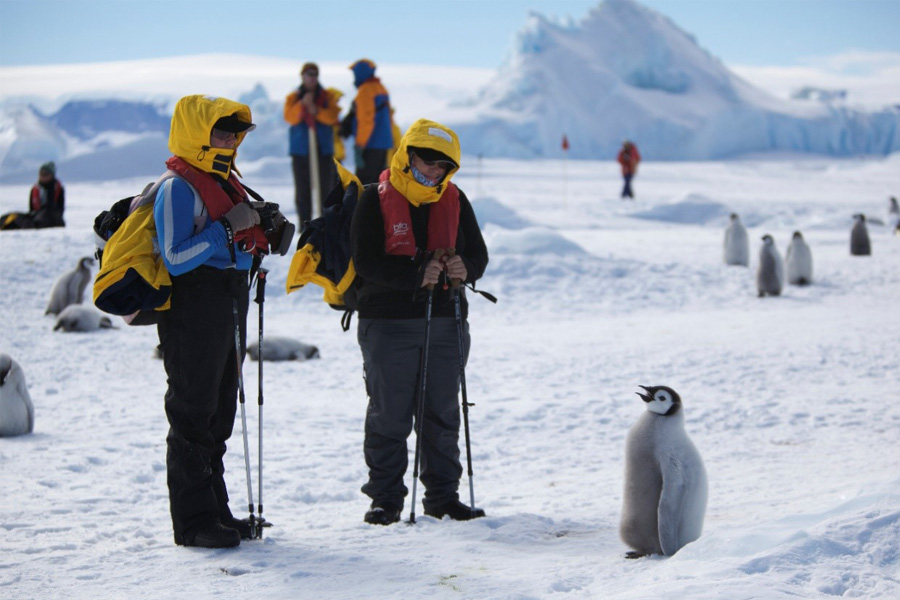
Antarctic tourism has surged rapidly, rising from fewer than 8,000 visitors a year in the 1990s to around 120,000 today, and could reach as many as 450,000 annually in the future. A recent study warns that tourism and scientific activities are intensifying pollution. In areas of frequent human activity in Antarctica, heavy metal concentrations are now 10 times higher than they were 40 years ago. The carbon emissions generated by a single trip to Antarctica are roughly equivalent to the annual carbon footprint of an average European.
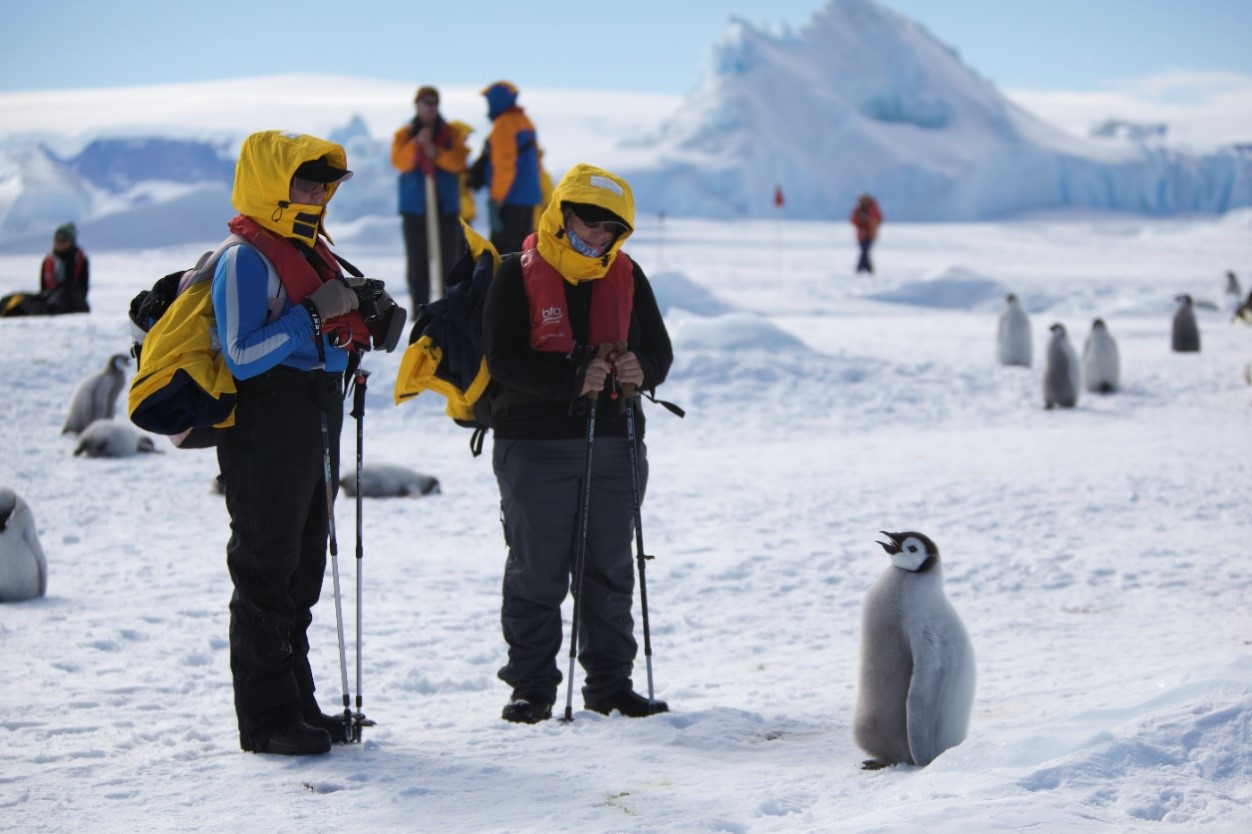 Antarctica is a dream destination that many people hope to visit at least once in their lifetime. Fueled by social media, the surge in Antarctic tourism has accelerated rapidly. Photo source: Ian Duffy /Flickr (CC BY-NC 2.0)
Once regarded as the most pristine and remote environment on Earth, Antarctica has in recent years seen growing numbers of tourists and expanding scientific activities. New research indicates that Antarctic tourism is causing unprecedented levels of carbon emissions, heavy metal pollution, and ecological disturbance. If this trend continues, the question remains: how many more visitors can Antarctica truly sustain?
"The most energy-intensive trip": Antarctic tourist numbers could reach 450,000 in the future
According to a report by Euronews, statistics from the journal Nature Sustainability and the International Association of Antarctica Tour Operators (IAATO) show that fewer than 8,000 tourists visited Antarctica each year in the 1990s. By 2024 and 2025, however, visitor numbers had surged to about 118,000. Among them, more than 80,000 passengers went ashore, while around 36,000 others viewed Antarctica from ship decks without landing. If this trend continues, the number of annual visitors could reach as high as 450,000 by 2034.
Currently, 55 operators offer Antarctic cruise routes, running about 570 voyages per season. Roughly two-thirds of travelers land on the continent via small expedition vessels. According to BBC reporting, larger ships can carry more than 400 passengers. As competition intensifies, Antarctic tourism has expanded far beyond simply landing to watch penguins or seals, or taking inflatable boats to view icebergs, humpback whales, or orcas up close.
Professor Elizabeth Leane, an Antarctic studies expert at the University of Tasmania, acknowledged that Antarctic tourism is expanding rapidly, with an increasing variety of activities - from kayaking and submarine excursions to helicopter sightseeing. "One day it will exceed the continent’s capacity," she said, "but no one yet knows where that tipping point lies."
Antarctic tourism is in fact one of the most energy-intensive forms of travel in the world. According to ABC News, during the 2022-2023 peak tourism season alone, visitors to Antarctica generated 674,000 tons of carbon dioxide equivalent (CO₂e). On average, a single Antarctic trip produces about 6.41 tons of carbon emissions per person of which roughly 2.26 tons come from flights and another 4.15 tons from cruise ships. This is roughly equivalent to the total annual carbon footprint of an average European citizen.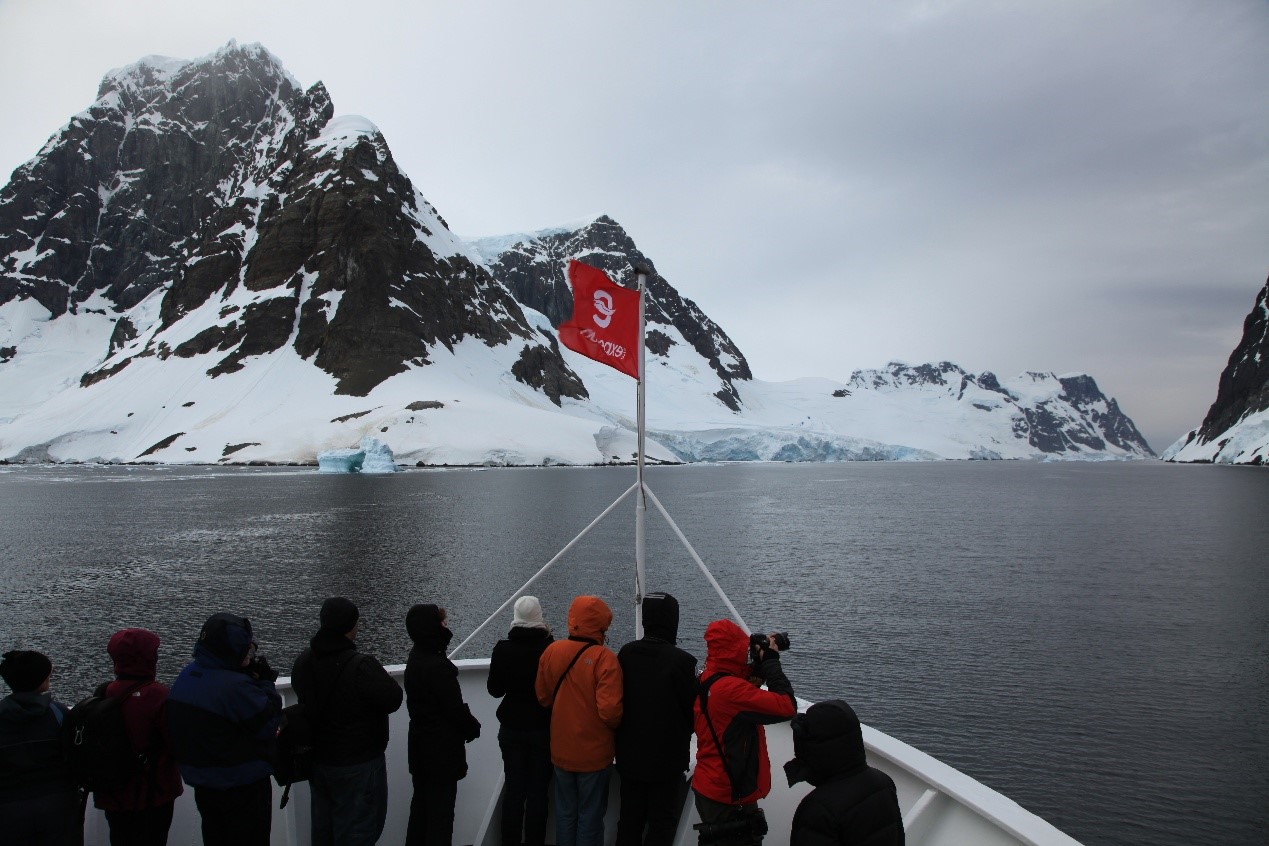
Research indicated that Antarctic tourism was, in fact, one of the world’s most energy-intensive forms of travel. Photo source: Liam Quinn /Flickr (CC BY-SA 2.0)
A single visitor can accelerate the melting of 100 tons of accumulated snow
As Antarctic tourism continues to boom, researchers have found that in the areas with the most human activity, concentrations of heavy metals such as nickel, copper, and lead are ten times higher than they were 40 years ago. Emissions from ships, aircraft, and vehicles are considered the main sources of this pollution. The study took four years to complete, with a research team from Chile, Germany, and the Netherlands traveled 2,000 kilometers across Antarctica to measure pollution levels on site.
Beyond pollution, black carbon is a major concern. Particulate matter from ships, aircraft, and diesel generators settles on the snow, reducing its reflectivity and causing it to absorb more heat, which accelerates melting. Study co-author Raul Cordero noted, “The more people visit Antarctica, the faster the snow melts. Even a single tourist can accelerate the melting of 100 tons of snow.”
In addition, tourists may inadvertently introduce invasive species. According to BBC, researchers examined travelers’ clothing pockets, shoes, and camera equipment, finding that they carried a significant number of non-native organisms. Today, in Antarctica’s South Shetland Islands, invasive grasses have already established themselves, and avian influenza has spread to sub-Antarctic islands, severely impacting local seal populations.
However, tourists are not the only source of pressure. According to phys.org, while scientific research contributes valuable knowledge, it also adds to Antarctica’s environmental burden. Raul Cordero noted that long-term research stations and large-scale scientific operations can produce heavy metal pollution up to ten times greater than that caused by a single tourist.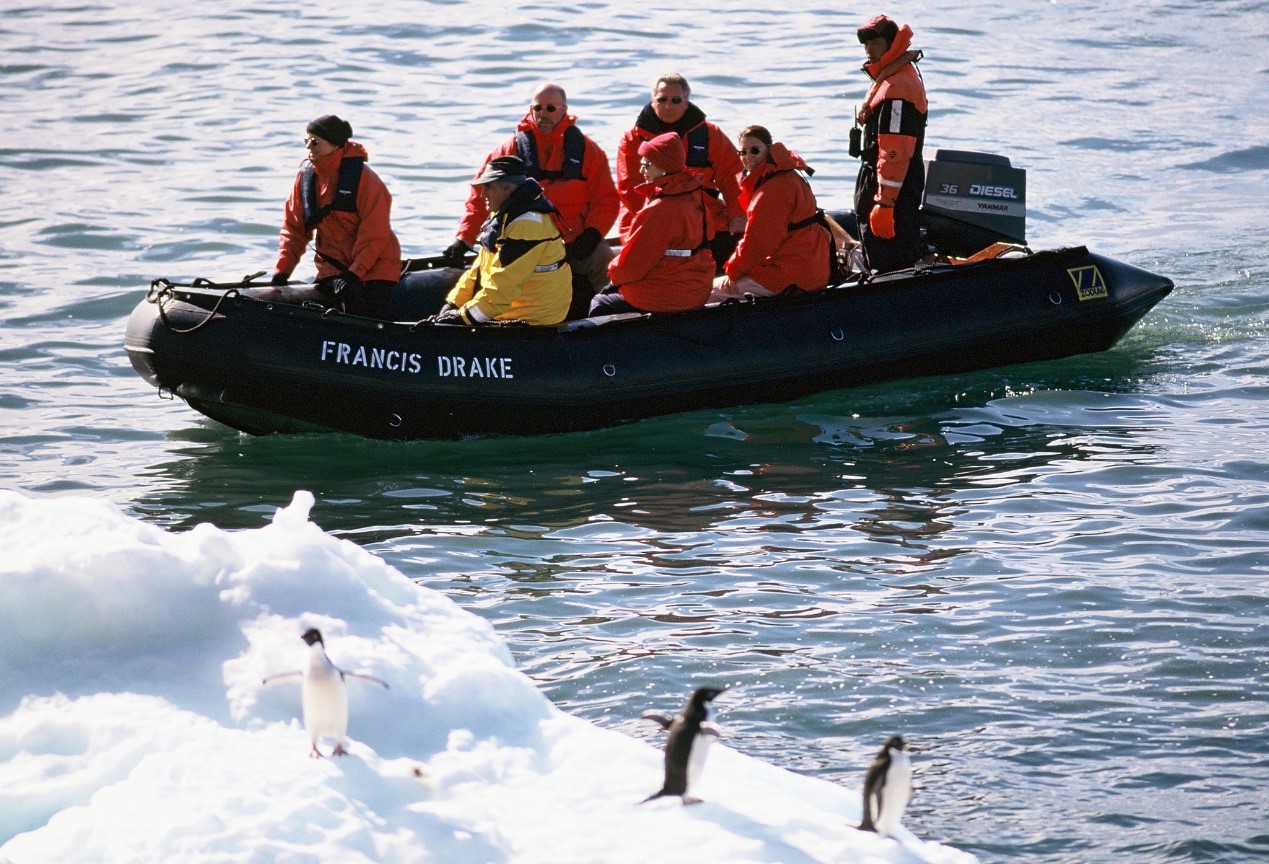 As competition intensifies, Antarctic tourism has expanded beyond simply landing to watch penguins or seals, offering a wider variety of activities. Photo source: GRID-Arendal /Flickr (CC BY-NC-SA 2.0)
International challenge of Antarctic governance
To prevent further environmental degradation in Antarctica, many tour operators have recently adopted carbon reduction and environmental protection measures, including phasing out high-pollution heavy fuel oil and introducing hybrid-powered vessels. For example, HX Expeditions claims that its new ships can reduce emissions by about 20% and has set a clear carbon reduction timeline, committing to achieve carbon neutrality by 2040.
To avoid excessive visitor density, International Association of Antarctica Tour Operators began regulating the number of people permitted ashore and the frequency of ship calls, and required that all waste be removed from Antarctica. Whether these measures can keep pace with the rate of tourist expansion remains unknown.
Antarctic ecologist Dana Bergstrom pointed out that the International Association of Antarctica Tour Operators is ultimately an industry organization. While it can regulate operational details, asking the industry to voluntarily halt activities or set strict limits is far from easy.
According to BBC, experts believe that imposing caps on the number of tourists or ships could be controversial. They suggest adopting a national park-style entry fee as an alternative. However, any major changes would require the unanimous agreement of all 56 Antarctic Treaty signatory countries to take effect, which would clearly slow down the decision-making process.
Fueled by social media, the Antarctic travel boom is accelerating even faster. Elizabeth Leane reminds travelers to weigh the costs before departing: "Is this trip really worth creating such a huge environmental impact?" Dana Bergstrom puts it more bluntly: "If you just want to experience snow and ice, and you happen to be in the Northern Hemisphere, try taking a train to a snowy area near home instead of traveling all the way across the globe to Antarctica."
References
Euronews August 24, 2025, Rising visitor numbers are leaving a harmful human footprint on Antarctica’s ecosystems
Phys.org, August 21, 2025, Surging tourism is polluting Antarctica, scientists warn
ABC News, August 29, 2025, New study calculates the carbon footprint of Antarctic tourism
BBC, January 17, 2024, Antarctic tourism: Should we just say no?
This article is republished from the Low-Carbon Living Blog, with content jointly planned by the Delta Electronics Foundation and the Taiwan Environmental Information Association.
2026/10

2026/08

2026/06
2026/02