
As the global energy transition and carbon neutrality goals accelerate, Delta has leveraged its deep expertise in power electronics to launch an advanced smart microgrid solution. In 2025, Delta donated a specialized system to the "24 Courtyards of Mt. Riyue" project in Qinghai, China. Designed to withstand high altitudes and extreme cold, the system has successfully increased solar self-consumption from 35% to over 85%, with estimated energy savings of 45%. This initiative not only helped the project secure dual Zero-Carbon and Carbon Neutral certifications but also provided the essential technical support for achieving energy self-sufficiency.
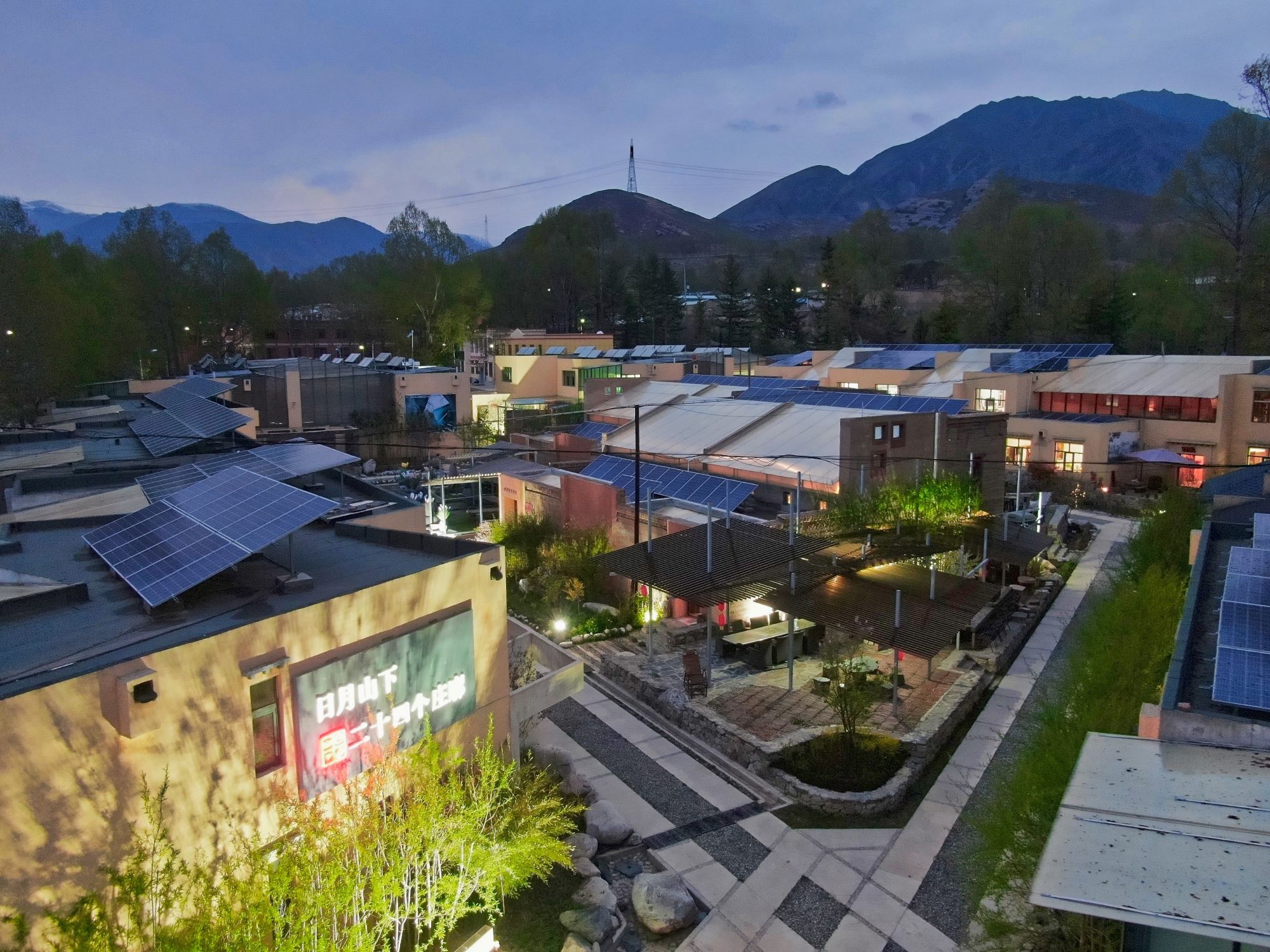 The realized 24 Courtyards of Mt. Riyue in Qinghai, China, based on the winning design from the 2015 Delta Cup.
From award-winning green architecture to energy bottlenecks
The "24 Courtyards of Mt. Riyue" is a realized project from the Delta Cup International Solar Building Design Competition. Originating from the 2015 theme "Sunshine and Beautiful Villages," the project focused on sustainable rural construction and low-energy housing, eventually becoming a guesthouse cluster.
While the area receives nearly 2,700 hours of sunshine annually, the plateau’s long, harsh winters create a massive demand for heating. The site’s original energy storage system struggled to adapt to the freezing climate, leading to a significant drop in efficiency. This prevented solar energy from being converted into stable power, resulting in high winter electricity costs and operational challenges for the guesthouses.
Implementing a customized smart microgrid solution
To overcome these obstacles, Delta donated a comprehensive smart microgrid system featuring two 100kW/215kWh liquid-cooled battery energy storage systems, a photovoltaic weather station, an energy management system (EMS), and three 7kW AC electric vehicle (EV) chargers. The project team focused on upgrading storage and management capabilities to seamlessly integrate every stage of the renewable energy cycle, including generation, storage, and consumption.
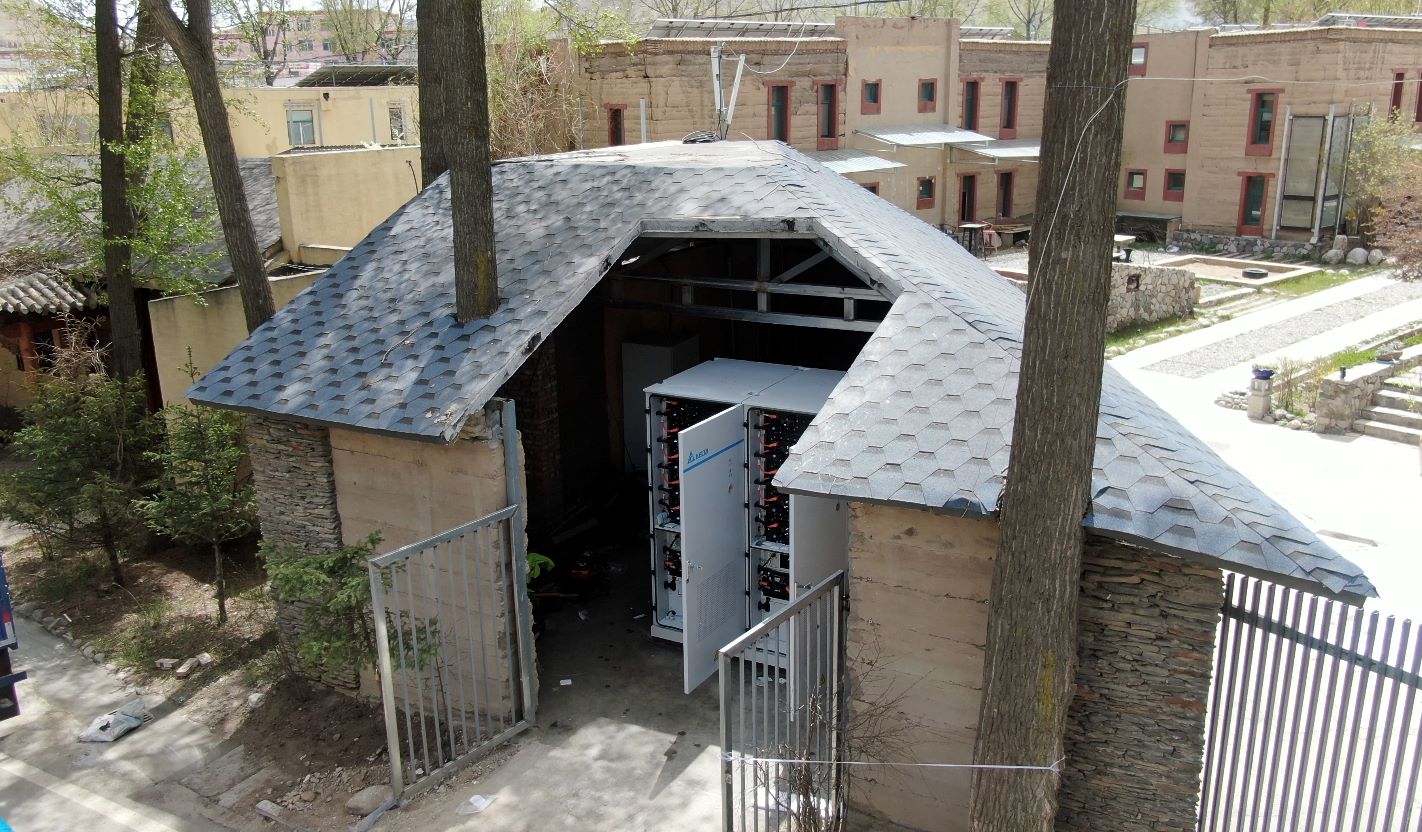
Delta’s next-generation storage system significantly enhances green energy capacity.
By doubling the storage capacity from 210kWh to 430kWh, the system can now capture significantly more green energy for later use. The EMS provides real-time monitoring and optimized scheduling to ensure stable operation and flexible load adjustment, while "peak shaving and valley filling" strategies further reduce electricity costs. The system also integrates terminal devices like smart thermostats and EV chargers, supporting both on-grid and islanding modes to guarantee power reliability for critical loads even during grid outages.
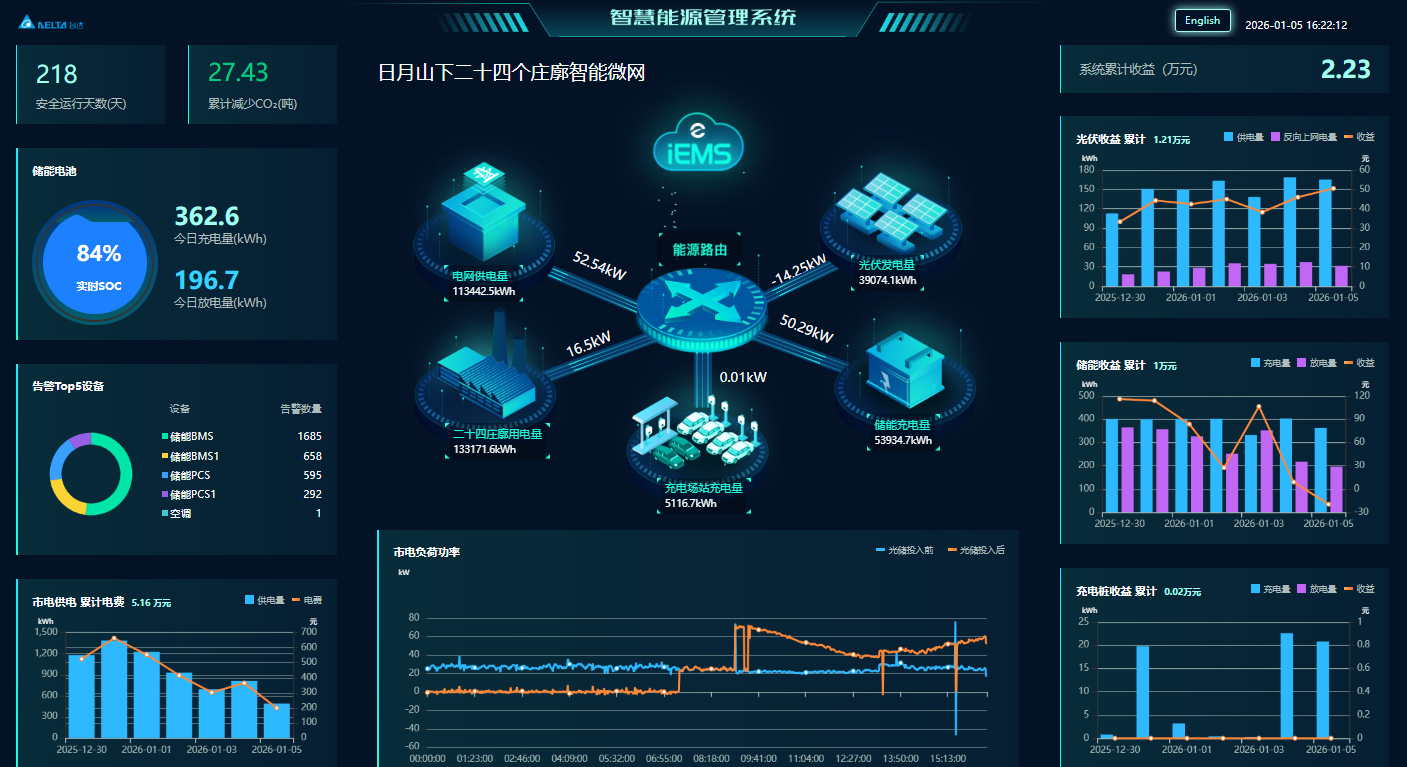
The smart microgrid management system provides a visualized, real-time map of energy flow.
Achieving Zero-Carbon and Carbon Neutral certifications
Following the system upgrade, the solar self-consumption rate at the Courtyards surged from 35% to over 85%, leading to estimated electricity savings of approximately 45% and a significant reduction in winter heating costs. With the support of Delta’s smart microgrid solution, the owner, Qinghai Cultural Tourism Investment Co., Ltd., successfully secured both Zero-Carbon and Carbon Neutral certifications. This project provides a proven, replicable technical roadmap for energy efficiency in high-altitude regions. To ensure long-term stability, Delta’s smart microgrid team continues to monitor operational data and optimize energy management strategies. By prioritizing the local consumption of green power through advanced microgrid control and energy storage, this case study demonstrates how to achieve "zero-carbon" goals while simultaneously lowering operational costs. It also highlights the team's extensive expertise in the planning and implementation of zero-carbon architecture.
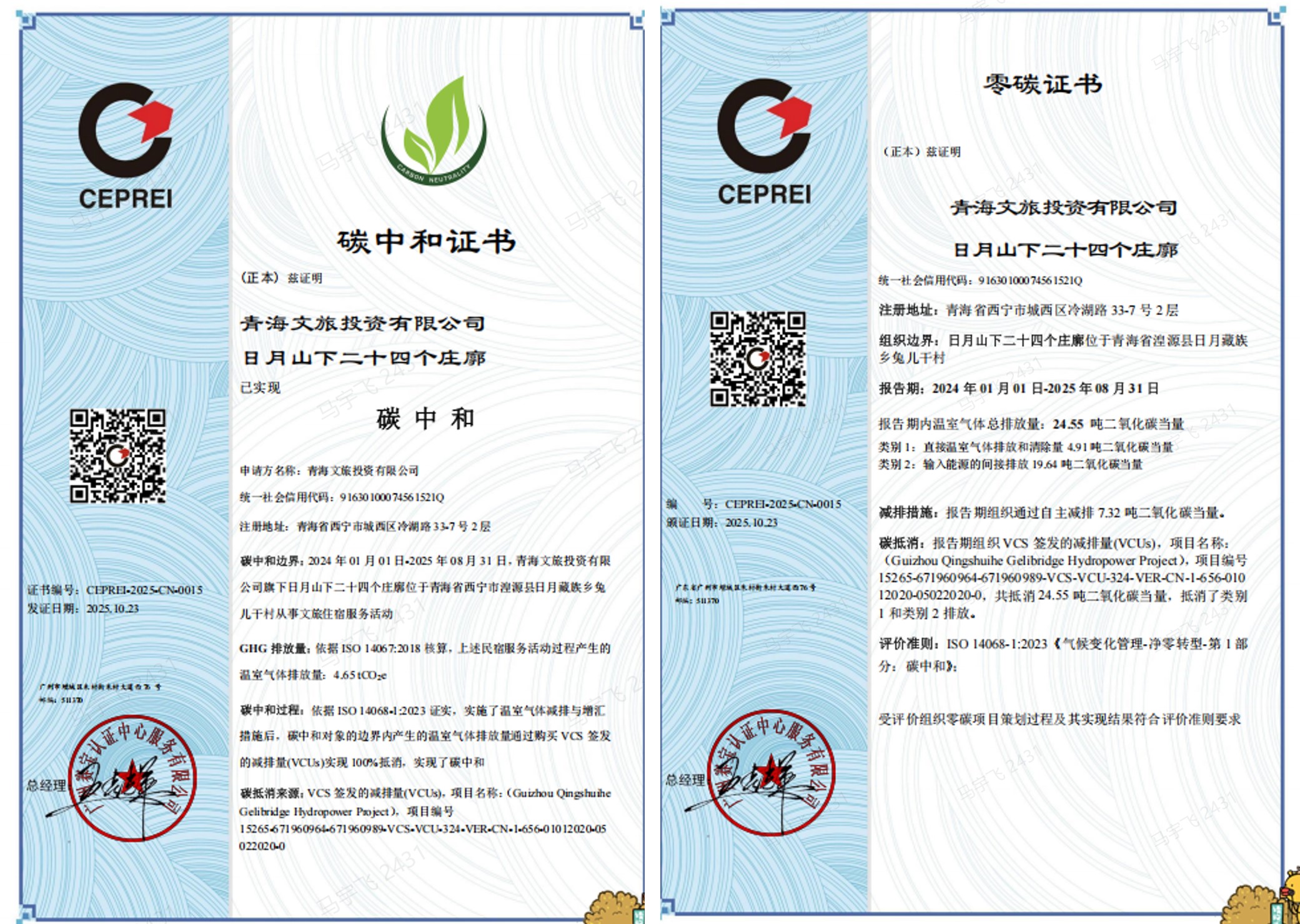
The "24 Courtyards" project celebrates receiving its Carbon Neutral and Zero-Carbon certifications.
As energy management becomes increasingly intelligent and integrated, Delta has successfully transitioned from a product supplier to a comprehensive provider of clean energy and energy-saving solutions. Leveraging years of technical practice and data-driven insights, Delta continues to provide credible and scalable paths for sustainable architecture, helping the industry move toward a zero-carbon future. When philanthropic intent unites with commercial expertise, it creates a powerful engine for innovation, providing the lasting momentum needed for a sustainable future.

2026/08


