


2026/10
2026/08
Text by Corporate Sustainability Development Department

As sustainability governance institutionalizes globally, businesses must move beyond merely disclosing ESG data to deliver consistent, transparent, and verifiable insights into their environmental, social, and financial impacts. Sustainability reporting has evolved from voluntary practice into a strategic foundation for governance, risk management, and market competitiveness.
Proactively addressing this shift, Delta published its first EU CSRD-aligned sustainability report in 2025—three years ahead of its 2028 legal mandate. By fulfilling 91% of the ESRS disclosure requirements, Delta demonstrates its strategic foresight and concrete commitment to deepening sustainable governance, maximizing transparency, and leading in global compliance.

Beyond compliance: Delta turns complex regulations into a strategic governance blueprint, driving long-term green impact.
Building upon decades of reporting experience under GRI and SASB (Sustainability Accounting Standards Board, SASB) frameworks, Delta’s EMEA region has officially adopted the CSRD framework.
A core feature of the CSRD is the concept of "Double Materiality"—which requires companies to assess both how sustainability risks impact their financial performance (financial materiality) and how their operations impact the world (impact materiality). This shift elevates ESG data to a level comparable to financial reporting, demanding much stricter internal controls, cross-departmental collaboration, and strategic integration.

Following its first EU CSRD-aligned sustainability report in 2025, Delta will release its second report featuring biodiversity in H2 2026.
Delivering a CSRD-compliant report ahead of schedule was a massive undertaking. During the implementation phase, Delta’s EMEA team tackled three major challenges:
To overcome these hurdles, Delta formed a cross-functional task force integrating sustainability, finance, legal, HR, supply chain, and facility teams. Furthermore, continuous engagement with six key stakeholder groups ensured that Delta’s sustainability strategies evolved in alignment with societal expectations.

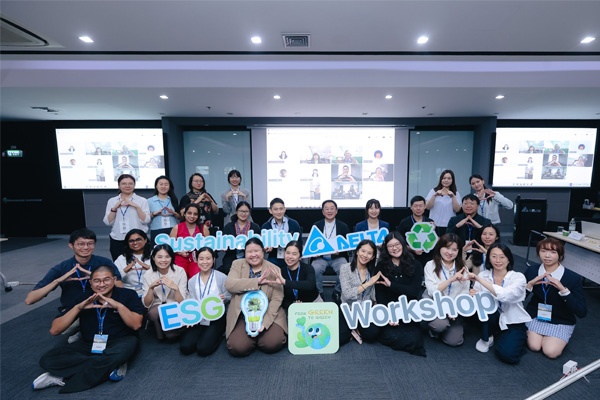
Delta EMEA's CSRD report showcases cross-departmental synergy and integrated resources, marking a new milestone in sustainable governance.
Internally, publishing this report is a management upgrade that strengthens group-wide synergy; externally, it builds global stakeholder trust. In the second half of 2026, Delta will release its next CSRD-aligned report, expanding its scope to include biodiversity disclosures.
For Delta, the CSRD is not merely a compliance exercise. It is a catalyst to re-examine operational models and enhance governance resilience. This report is not the finish line, but a new starting point for driving long-term, sustainable competitiveness through transparent disclosure and robust management.
2026/10

2026/06

2026/04
2026/02